Chinese pig farmers who have managed to keep African swine fever from ravaging their farms since the first outbreak last year are reaping huge profits, earning a record $200 per pig thanks to soaring pork prices.
African swine fever (ASF) has spread to every province in the world's top pork producer.
China's pig herd shrank by a third in July from a year earlier, according to the Ministry of Agriculture and Rural Affairs, although some observers believe half the herd has been culled.
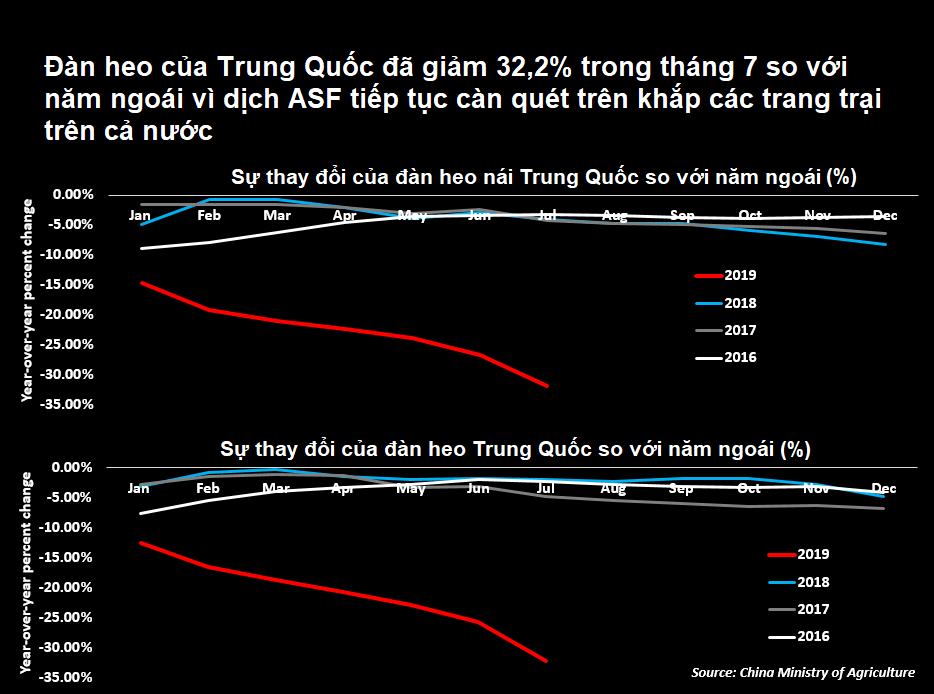
Source: Reuters.
The drop in production has sent prices soaring since June. The national average price of live pigs surpassed the 2016 record of 21 yuan per kg earlier this month to 24.6 yuan per kg on Aug. 19, according to data from Shanghai JC Intelligence.
The trend is unusual as pig prices are typically weak in the summer months, when pork demand is low, and start to rise in September, the start of the peak season.
"The timing of the price increase is earlier than expected," said Pan Chenjun, senior analyst at Raobank. "August is still the low demand season, but now we see prices rising every day."
The high prices will "eat into" the profits of processors such as WH Group, which reported a 17% drop in profits in the first half of 2019 last week and warned that pork prices are expected to continue rising.
Big profits
Live pig prices in the south have been soaring, after African swine fever swept the region in recent months.
Output has been falling in the region in recent years after local authorities shut down farms near water sources and population centers to protect the environment.
According to Reuters, live hog prices in Guangdong have soared to more than 28 yuan per kilogram, more than double the level at the end of May. Neighboring provinces including Guangxi and Fujian have also recorded prices of up to 26 and 28 yuan per kilogram, respectively.
The price recovery has pushed the average profit margin above 1,000 yuan per pig, up from the previous record of 1,135 yuan. In Guangdong, the average profit margin is nearly 1,700 yuan per kilogram, according to JCI. Margins.
This profit margin is many times higher than what farms in Europe or the United States can earn.
Farmers are trying to start expanding their farms again, despite the high risk of operating in an environment where ASF is still present.
"We are expanding. The future is very good," said Yin Pingan, chairman of Chongqing Riquan Agriculture and Animal Husbandry.
The company, which has 30,000 pigs, is building new farms in both Guangdong and Guizhou provinces.
Yin said if there were no risks, would pork prices have risen so high?
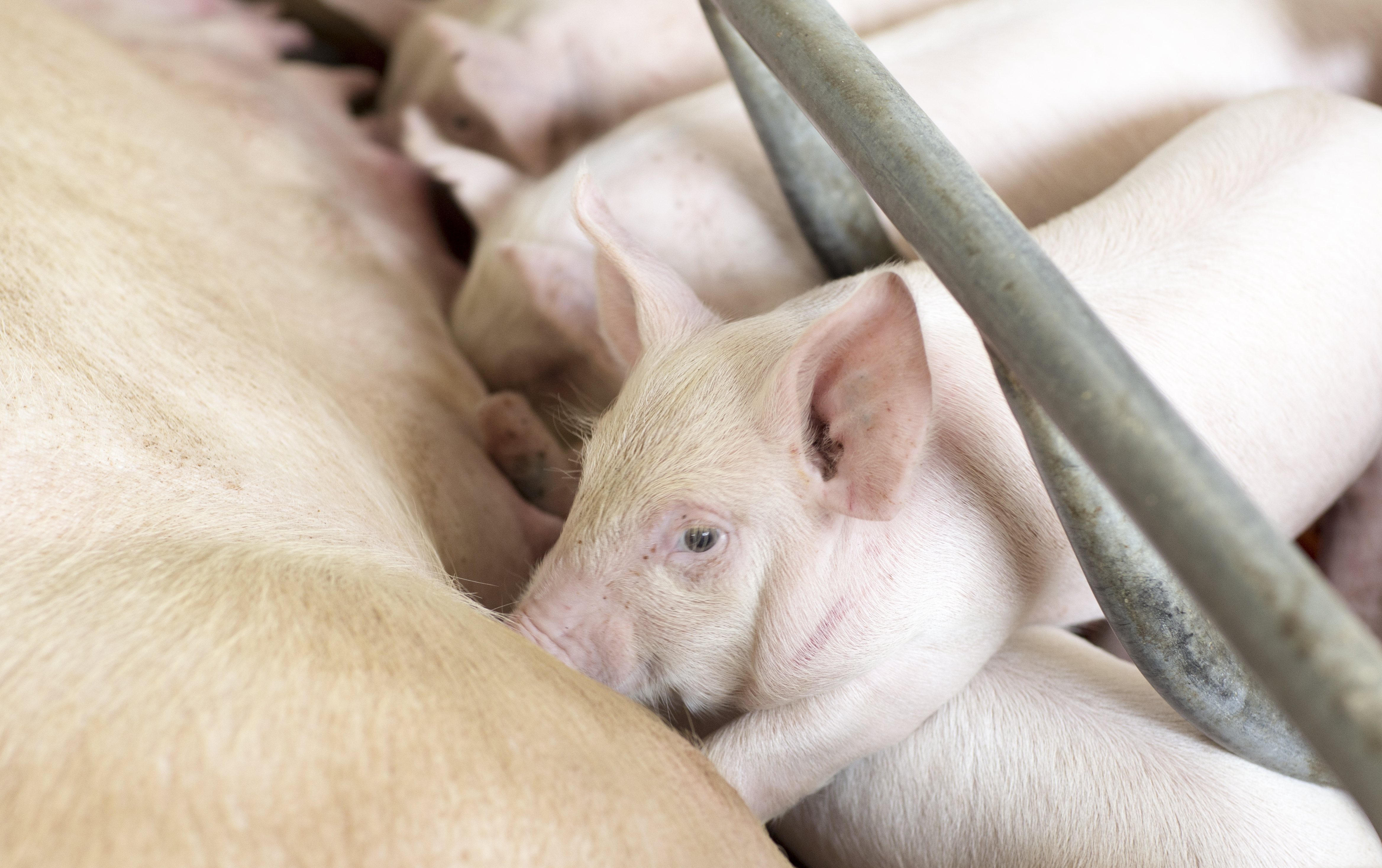
Image from Anova Farm
"Too risky"
For other farmers, however, the increased profits are not enough to lure them back into the industry. Many farmers are still deep in debt after losing their entire herds to the disease and have not received any government support.
A pig farmer surnamed Peng in Guangdong said the re-establishment was too risky. Peng sold all 10,000 pigs in June after some of them became infected.
He also said he would not return to raising pigs until a vaccine against ASF was developed.
Chinese consumers are also starting to feel the impact of ASF.
Retail pork prices have risen more than 40% since the first outbreak in August 2018.
Government officials predict retail pork prices will rise as much as 70% in the first half of the year as demand for China's favorite meat increases with colder weather and the Lunar New Year holiday.
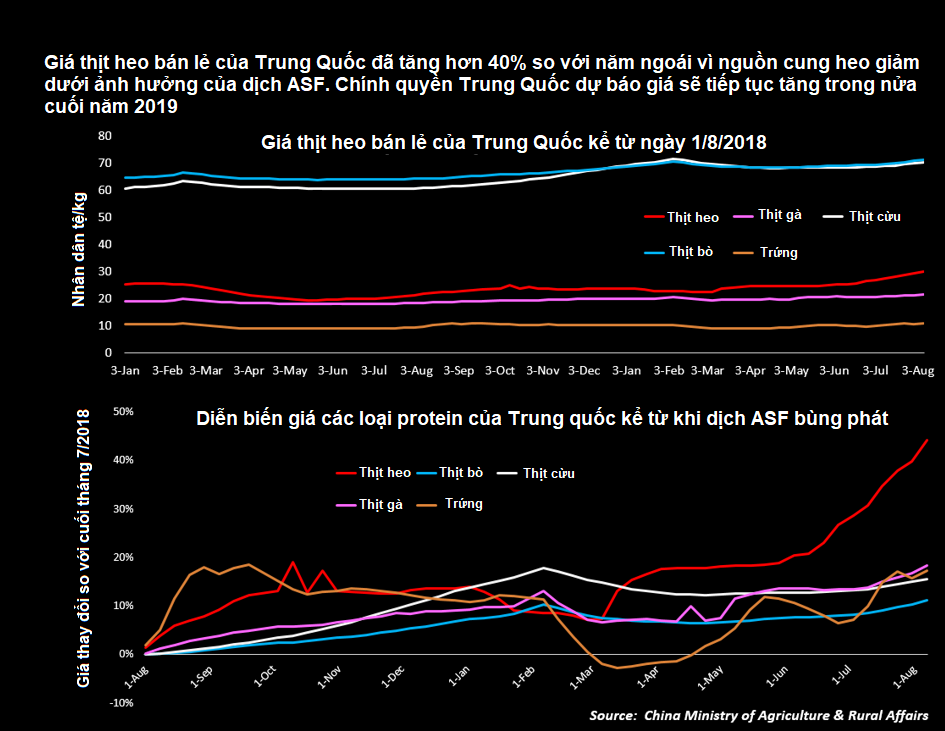
Source: Reuters.
According to vietnambiz.vn